2014. Against the feed.
Most software was moving toward smaller screens, faster streams, and more notifications. We built for the wall: a shared surface where people could spread out the raw material before it became a clean task or finished file.
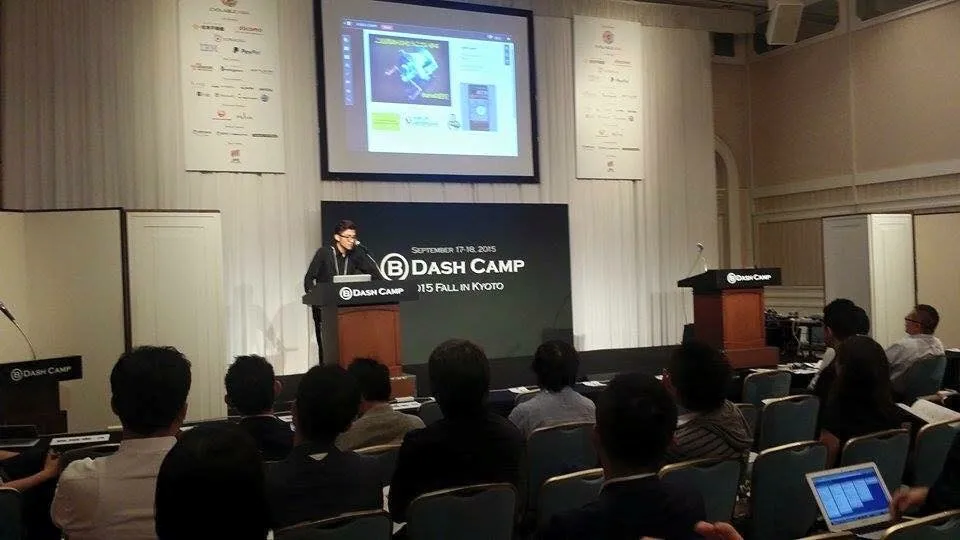
The obvious bet was smaller screens, faster streams, and more notifications. We went the other way. BeeCanvas gave teams a shared surface for briefs, references, sketches, files, feedback, and unfinished thinking: the work that could not be reduced to a thread. That is still why ALLO exists.
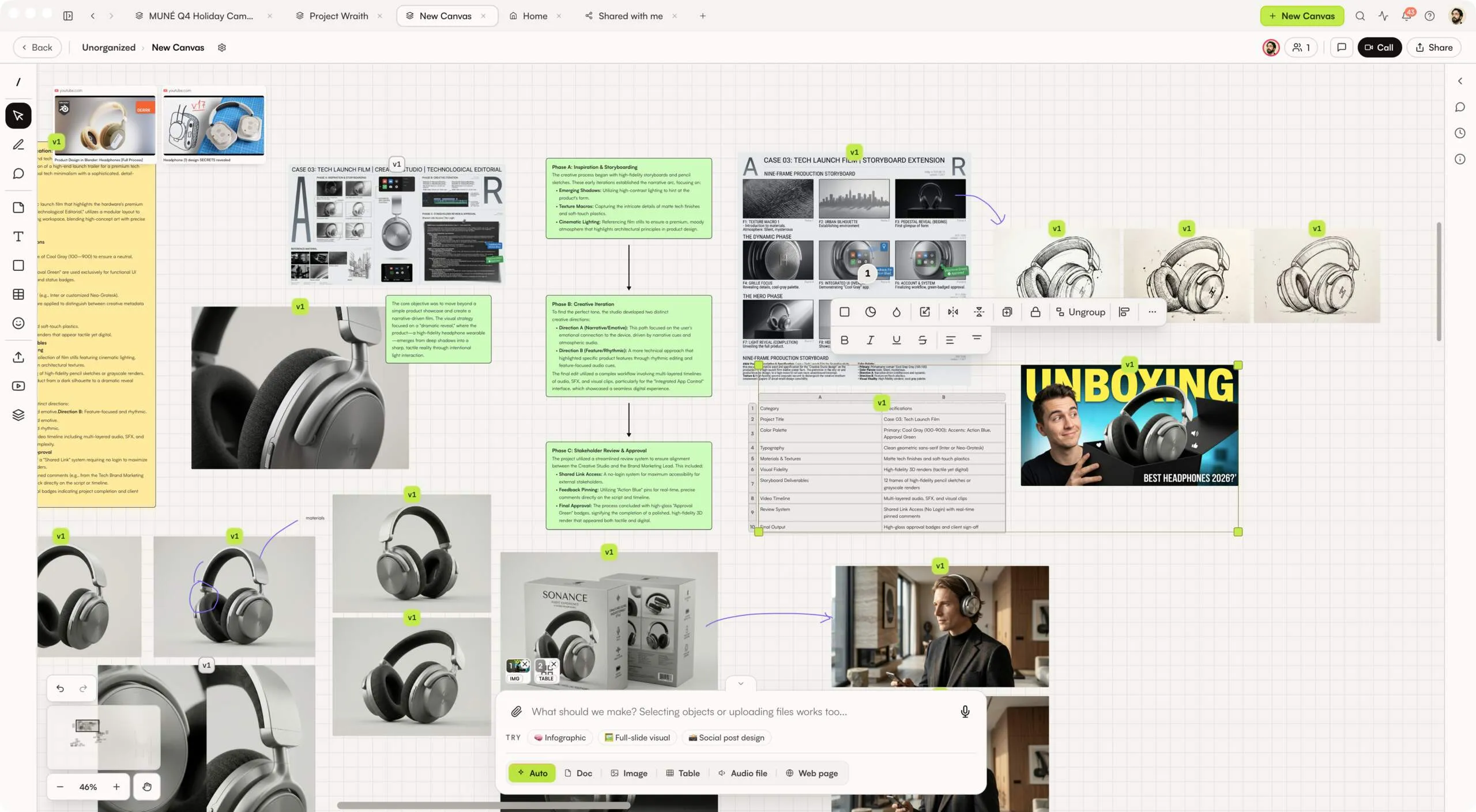
Mobile made software personal. Chat made communication immediate. Remote work made digital collaboration unavoidable. Generative AI made creation dramatically faster. Through every shift, teams still had to turn scattered activity into work other people could understand.
Most software was moving toward smaller screens, faster streams, and more notifications. We built for the wall: a shared surface where people could spread out the raw material before it became a clean task or finished file.
Teams could meet on video and talk in chat, but the project itself remained split across files, screenshots, links, documents, and presentation decks. The missing layer was not another conversation. It was a shared view of the work.
Generative AI made it possible for every person to create more drafts and options inside private conversations. That increased the need for a place where useful results could leave the chat, meet the project context, and become understandable to the team.
ALLO is not a whiteboard with an AI button added. It is a visual collaboration product designed to turn project material into a shared view that people and AI can work from together.
Projects rarely begin as clean tasks. They begin as briefs, research, screenshots, references, incomplete ideas, conversations, and files from different tools. ALLO gives that material room to become understandable.
Position, grouping, size, sequence, and relationship can communicate what a message cannot. A canvas lets the team show how the pieces fit together instead of explaining the structure again and again.
Useful AI work should not remain trapped inside one person's conversation. ALLO lets people create from project material and put the result back on the shared canvas where the team can see and continue it.
I did not start ALLO from a market map. I started from a belief about how people think. Before an idea becomes a sentence or a task, people collect fragments. They sketch, compare, move things around, notice relationships, reject one direction, and follow another. Sparks of Genius gave me language for something I had felt for a long time: serious thinking often begins before it becomes linear. That belief became BeeCanvas in 2014.
At the time, the software world was moving toward feeds. Mobile and social products made information smaller, faster, and more continuous. That was useful for communication, but I did not believe every kind of work should be reduced to a stream of messages. Over the next decade, the market changed around us. Remote work made digital collaboration normal. Project tools became larger platforms. Chat became the default interface for both teams and AI. The canvas itself also became common.
That means ALLO cannot win simply by putting files and comments in one place. Every large platform can say that. The harder and more important job is to help a team turn unfinished, scattered work into something another person can open and understand. AI makes that job more urgent. It creates more drafts, images, documents, and options than teams had before, but most of that work begins in private chats. The output may be fast, yet the team still has to understand where it came from, how it relates to the brief, what changed, and what should happen next.
We are building ALLO for that moment. Not to replace every message, specialist tool, or workflow. To give the work a shared form when a thread is no longer enough.
Ray, co-founder of ALLO
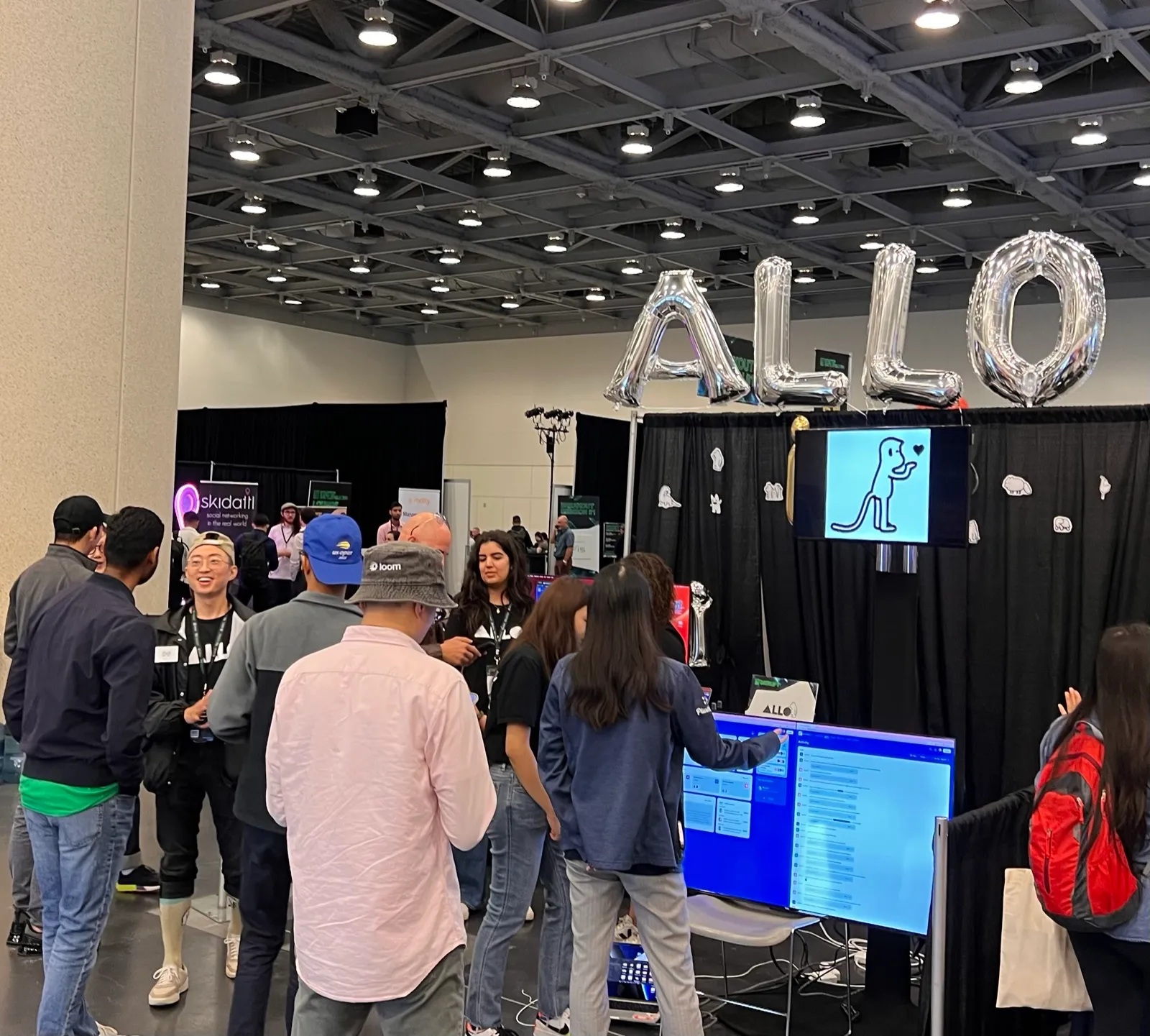
Help people turn work in progress into something others can understand, contribute to, and carry forward. That was the reason to start in 2014. It remains the reason to keep building.
Free to start. No credit card.